
Your shopping cart is empty!
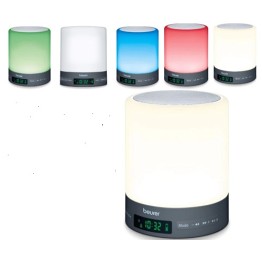
Fall asleep naturally and wake up gently with simulations of sunrise and sunset With fall..
£75.00
Wake-up lights are very effective for people who struggle to wake up, particularly during dark winter mornings.
Sleep scientists and testing show they successfully lower melatonin (the sleep hormone), shift circadian rhythms, and drastically reduce "sleep inertia"—
that heavy, groggy feeling you get right after opening your eyes.
Gradual exposure to light eases the heart into wakefulness, preventing the sudden spike in blood pressure and heart rate caused by loud, jarring phone alarms.
By mimicking a natural sunrise, the light prompts the brain to produce cortisol and serotonin, allowing you to wake up feeling naturally alert and in a better mood.
They provide critical morning light exposure that stabilizes your seasonal sleep cycle.
Free Gift on all orders over £150
